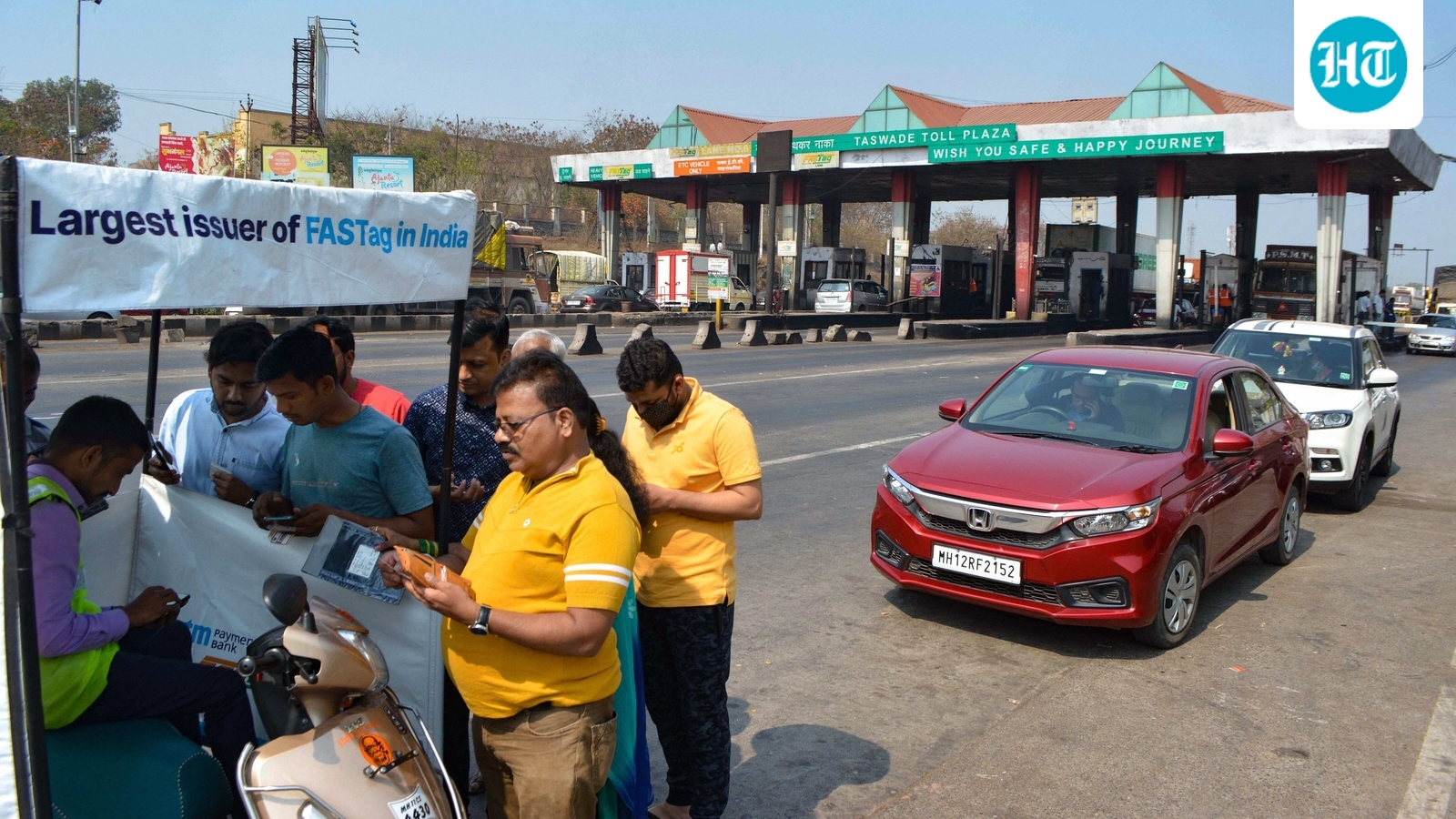
The National Highways Authority of India has announced that it will discontinue the mandatory Know Your Vehicle (KYV) process for car, jeep and van FASTag issuances starting February 1, 2026. The decision applies to all new FASTags issued in this category and is aimed at easing inconvenience faced by highway users after tag activation.

According to NHAI, the move is intended to remove post-activation checks that were leading to delays and repeated follow-ups, even when vehicle owners had already submitted valid documents at the time of purchase.
What the new notification says
Under the revised rules, KYV will no longer be required as a routine step for new FASTags issued to private cars, jeeps and vans. For existing FASTags, KYV has also been removed as a standard requirement. Verification will now be carried out only in specific cases where complaints are reported. These include issues such as loosely affixed FASTags, incorrect tag issuance, or suspected misuse.
If no complaint or discrepancy is flagged, existing car FASTags will continue to function without any additional KYV-related action from the user.
New safeguards introduced before activation
While post-activation KYV has been scrapped, NHAI has tightened checks before a FASTag is activated. Issuer banks will now be required to complete vehicle verification upfront.
FASTag activation will be allowed only after mandatory validation of vehicle details through the VAHAN database. The earlier provision that allowed banks to activate FASTags first and verify details later has been withdrawn.
In cases where vehicle information is not available on VAHAN, banks will have to rely on Registration Certificate (RC) verification before activation. NHAI has said that banks will be fully accountable for such activations. The same validation rules will apply to FASTags sold through online channels as well.
(Also Read: GRAP IV restrictions revised: Can I drive my out-of-state BS4 petrol car in Delhi?)
How this helps FASTag users
For vehicle owners, the biggest change is the removal of repeated KYV requests after FASTag activation. Many users had reported being asked to upload vehicle photographs and documents again, or faced tag suspension despite having completed initial verification.
By shifting all checks to the pre-activation stage, NHAI expects fewer disruptions, quicker activation, and less follow-up communication with banks or toll operators.
What the KYV process was earlier
KYV, or Know Your Vehicle, was introduced to link each FASTag to the correct vehicle and prevent misuse. It required users to upload photographs of the vehicle showing the number plate and FASTag placement, along with RC details. The process was valid for a fixed period and had to be repeated in certain cases.
With the new framework, NHAI has moved away from post-issuance KYV while retaining tighter upfront verification, reshaping how FASTags will be issued from February 2026.