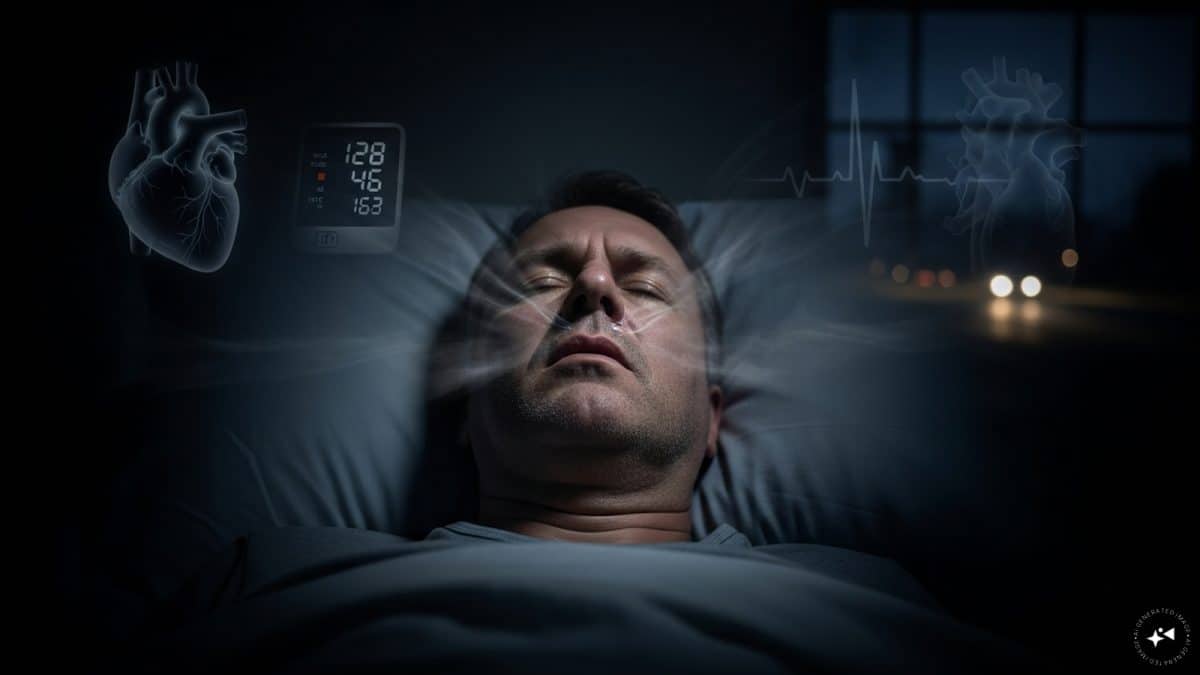
Snoring every night? It might be more than just fatigue. Medical experts warn that habitual snoring can signal Sleep Apnea, a serious breathing disorder linked to hypertension and stroke. Read here
If you or a loved one snores loudly every night, it might be more than a bedtime nuisance, experts say it could signal obstructive sleep apnea (OSA), a condition affecting up to 1 billion adults worldwide, according to the World Health Organisation. The American Academy of Sleep Medicine reports that untreated OSA triples the risk of cardiovascular events, urging those with habitual snoring to seek evaluation before complications like hypertension or accidents arise.
According to a 2025 study published in the American Journal of Respiratory and Critical Care Medicine, millions of adults worldwide suffer from OSA, a potentially life-threatening sleep disorder that often goes undiagnosed. Sleep apnea not only disrupts nightly rest but can also increase the risk of hypertension, heart disease, stroke, and diabetes, making early detection crucial.
Dr. Shivaraj Kumar K V, Consultant in Pulmonology at Fortis Hospital Nagarbhavi (Bengaluru), emphasizes that snoring demands attention. “Majority of people consider snoring to be an annoying problem that does not harm anyone, but persistent loud snoring actually signals a warning sign for underlying medical conditions rather than just disturbed sleep. While occasional snoring may occur due to nasal congestion, fatigue, or sleeping position, habitual snoring, especially when it happens every night, can indicate obstructive sleep apnea (OSA), a potentially serious sleep-related breathing disorder.”
“Obstructive sleep apnea occurs when the airway repeatedly narrows or collapses during sleep, temporarily interrupting breathing. The body experiences numerous pauses that last several seconds, which occur multiple times every hour, resulting in reduced oxygen supply, he said, adding that people who experience these warning signs will show signs of choking or gasping during sleep while they suffer from extreme daytime sleepiness, morning headaches, poor concentration, irritability and uncontrolled blood pressure. In many cases, the individual may be unaware of these episodes, and it is often a family member who notices the problem.”
“Untreated sleep apnea increases the risk of hypertension, heart disease, stroke, type 2 diabetes and abnormal heart rhythms. Daytime drowsiness can affect work performance impairment and increase the risk of road accidents. The common risk factors for sleep apnea include obesity, enlarged tonsils, nasal obstruction, alcohol consumption before bedtime, and a family history of sleep apnoea.”
Dr. Kumar said that evaluation may include a clinical assessment and, if indicated, a sleep study (polysomnography) to confirm the diagnosis. The treatment options start from weight management and positional therapy and extend to CPAP (continuous positive airway pressure) devices and surgical correction for particular cases, he said.
“Persistent snoring should not be ignored. People can achieve better sleep results through early diagnosis combined with prompt treatment which protects them from long-term metabolic and cardiovascular health issues.”
With rising urban stress and lifestyle factors in India fuelling sleep disorders, Dr. Kumar advised consulting a pulmonologist at the first sign of nightly snoring. Early intervention via lifestyle changes or CPAP therapy can restore restful sleep and avert serious health risks.
End of Article