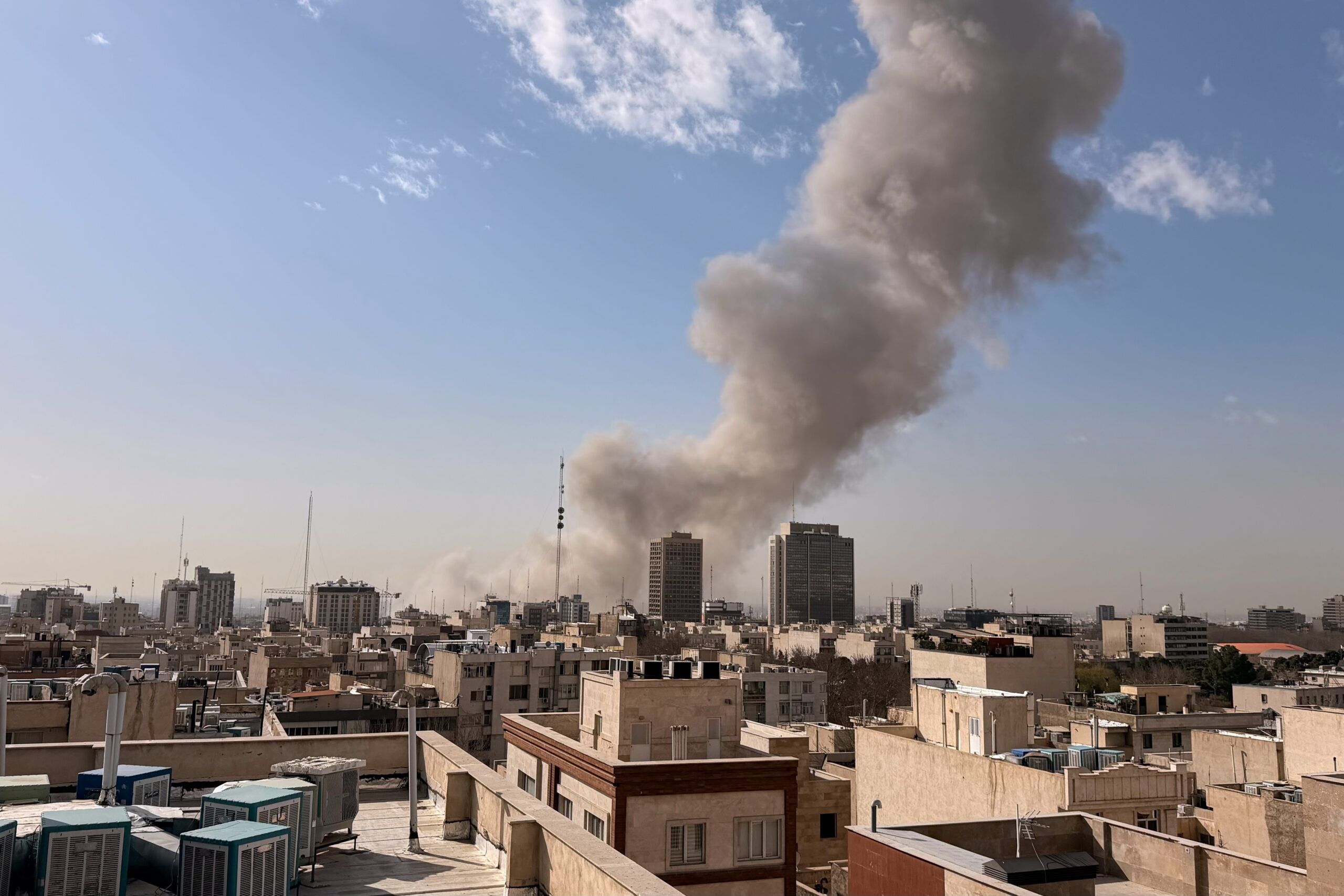
The coordinated military strikes by the United States and Israel against Iran mark the most serious escalation in the region since the 12-day war of June 2025. The new round of attacks occurred despite ongoing diplomatic efforts aimed at reviving nuclear negotiations, creating a dramatic shift from fragile diplomacy to open confrontation.
What makes this moment particularly historic is the scale of the strikes, the regional spillover, the reported death of Iran’s Supreme Leader, and the heightened risk of global economic disruption.
Below is a detailed breakdown of how the crisis unfolded — and what it could mean going forward.
The Immediate Trigger: February 28, 2026
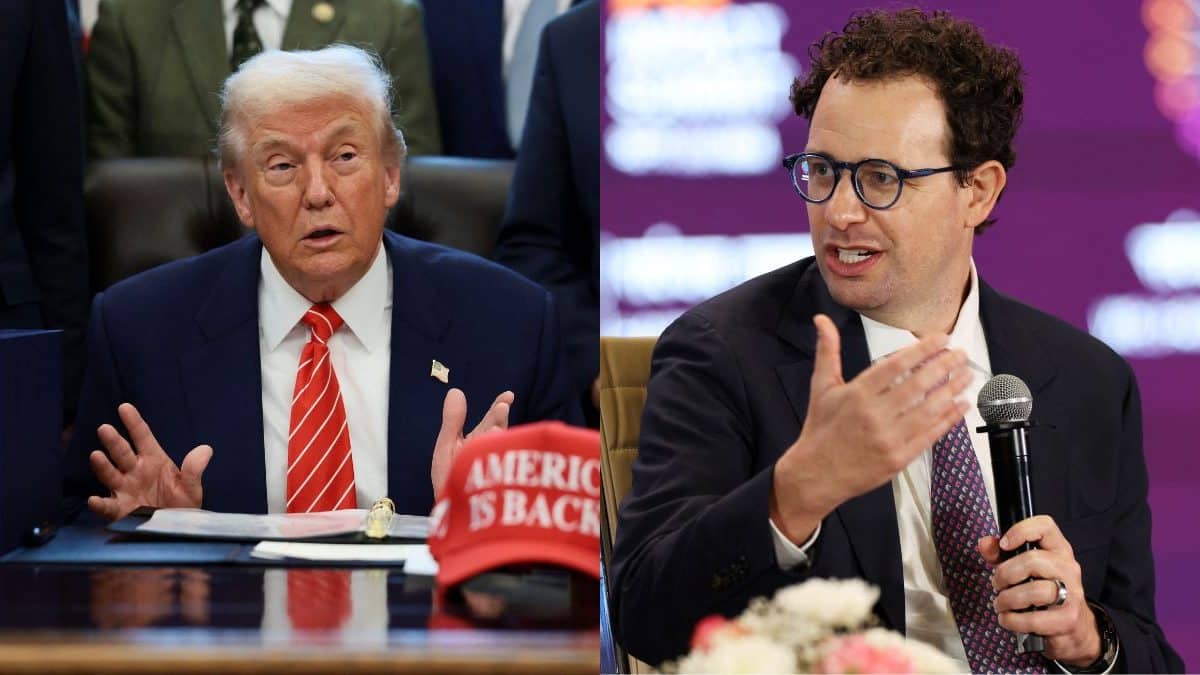
On February 28, Israel launched coordinated air and missile strikes targeting Iranian military infrastructure, nuclear-linked facilities, missile depots, and command centers in and around Tehran and other strategic regions. Within hours, the United States confirmed it had initiated what President Donald Trump described as a “major combat operation” aimed at dismantling Iran’s long-range strike capabilities.
US officials stated that intelligence suggested Iran was accelerating missile readiness and strengthening underground launch facilities. American forces reportedly targeted hardened missile sites and radar systems using long-range stealth platforms.
Iran responded rapidly with a coordinated barrage of ballistic missiles and drones directed at Israeli territory and US-linked installations across the Gulf. Several Gulf states temporarily closed airspace as defensive systems activated across the region.
The escalation was especially striking because it came just 48 hours after indirect nuclear talks in Geneva had ended on what mediators described as “constructive terms.”
The 2025 War: The Precedent for Escalation
The roots of the current crisis trace back to the June 2025 conflict.
June 13, 2025
Israel launched preemptive airstrikes on Iranian nuclear and military facilities while US-Iran negotiations were underway. Targets reportedly included infrastructure linked to uranium enrichment and missile development.
June 22, 2025
The United States struck key nuclear facilities at Natanz, Fordow, and Isfahan, marking direct American entry into the conflict. Washington claimed the strikes significantly degraded Iran’s enrichment capacity.
June 23, 2025
Iran retaliated with missile fire toward Al Udeid Air Base in Qatar, home to major US military operations. Interceptions prevented casualties, but the attack signaled Iran’s willingness to widen the battlefield.
June 24, 2025
After 12 days of intense exchanges, a US-brokered ceasefire ended hostilities. Iran reported over 600 fatalities; Israel reported 28.
Although open warfare stopped, both sides continued covert operations, cyber activity, and military positioning. The ceasefire froze — but did not resolve — the core dispute.
Nuclear Disputes and Sanctions Pressure
Following the war, nuclear tensions intensified rather than eased.
On July 2, 2025, Iran suspended full cooperation with the International Atomic Energy Agency (IAEA), restricting inspector access unless approved by its Supreme National Security Council. This move significantly reduced international visibility into Iran’s enrichment activities.
By late July, Iranian officials reaffirmed they would not abandon uranium enrichment, calling it a sovereign right. European powers — the UK, France, and Germany — responded in August by reactivating a sanctions mechanism that restored UN penalties previously lifted under earlier agreements.
The sanctions had immediate economic consequences. Iran’s currency fell sharply, inflation surged, and public frustration grew. By December 2025, widespread protests erupted in multiple cities. In January 2026, authorities imposed a near-total internet blackout for more than two weeks.
President Trump publicly voiced support for Iranian demonstrators while simultaneously increasing US naval and air deployments near Iranian waters.
Renewed Diplomacy: February 2026 Nuclear Talks
Despite the tensions, indirect negotiations resumed.
February 6, 2026
Talks began in Geneva, mediated by Oman, focusing on enrichment limits and sanctions relief.
February 17 and 22
Additional rounds continued, with diplomats describing progress but acknowledging unresolved disagreements over verification and missile development.
February 26
A third round concluded with what mediators called “significant progress.” Talks were scheduled to continue in Vienna, raising cautious optimism.
February 27
Oman’s foreign minister announced Iran had agreed in principle to reduce parts of its nuclear material stockpile. President Trump stated diplomacy was preferred but warned that “all options remain available.”
Less than a day later, the strikes began — abruptly shifting from negotiation to warfare.
The Expanding Conflict: March 1 Developments
The conflict quickly expanded beyond bilateral exchanges.
The United States Central Command (CENTCOM) confirmed the deployment of B-2 stealth bombers targeting hardened ballistic missile infrastructure and underground storage tunnels. Reports indicated three US service members were killed during retaliatory drone and missile strikes.
Iran launched additional missile barrages at Israeli cities, including Beit Shemesh, causing civilian casualties. A drone reportedly struck near facilities associated with the US Navy’s Fifth Fleet in Bahrain.

Naval tensions escalated in the Strait of Hormuz, a chokepoint through which roughly one-fifth of global oil shipments pass. Reports of missile incidents involving oil tankers led to temporary closures and sharp increases in oil prices.
Satellite imagery suggested damage to Iranian naval bases, drone depots, radar installations, and tunnel complexes designed for missile concealment.
Death of Iran’s Supreme Leader and Leadership Transition
A dramatic turning point came with reports that Supreme Leader Ali Khamenei was killed during the strikes. His death created immediate uncertainty inside Iran.
Under Iran’s constitutional structure, a three-member interim leadership council now oversees governance. The Assembly of Experts, an 88-member clerical body, is responsible for selecting a new Supreme Leader.
The Islamic Revolutionary Guard Corps (IRGC) is expected to play a decisive role during the transition, given its mandate to protect the Islamic Republic and its extensive military and economic influence.
Foreign Minister Abbas Araghchi stated that a successor could be chosen within days, though analysts warn that factional competition could intensify behind the scenes.
Public reaction inside Iran has reportedly been mixed — mourning gatherings alongside scattered celebrations in some urban areas.
Strategic and Global Implications
1. Risk of Regional War
Iran’s strikes on Gulf states indicate that this conflict extends beyond Israel. Regional governments are increasing air defense readiness and preparing for potential further escalation.
2. Energy Market Shock
Disruption in the Strait of Hormuz has immediate global implications. Oil prices surged amid fears of prolonged instability, raising concerns about inflation and economic ripple effects worldwide.
3. Western Alliance Dynamics
While the United States and Israel are directly engaged, the UK has allowed defensive use of bases but declined offensive participation. NATO members remain cautious, mindful of past Middle East conflicts that expanded beyond initial objectives.
4. Internal Stability in Iran
Months of economic strain, protests, and now leadership transition create conditions of volatility. Whether military pressure strengthens nationalist unity or reignites domestic unrest remains uncertain.
Possible Future Scenarios
Diplomatic Return
Despite the strikes, Iran had signaled progress in negotiations days earlier. A temporary ceasefire followed by resumed talks remains possible, though politically challenging.
Hardline Consolidation
If conservative factions dominate the leadership transition, nuclear policy could become less flexible, accelerating enrichment and reducing transparency.
Prolonged Conflict
Continued missile exchanges could draw additional regional actors into direct confrontation, risking sustained warfare.
Internal Political Reconfiguration
Leadership succession combined with economic distress may reshape Iran’s political structure in ways that extend beyond the immediate conflict.
Conclusion
The US-Israel strikes on Iran represent a pivotal moment in Middle Eastern geopolitics. Months of diplomacy, sanctions pressure, covert operations, and regional rivalry culminated in direct confrontation.
The reported death of Iran’s Supreme Leader, expanding missile exchanges, and energy market disruption elevate the crisis beyond a limited military episode.
Whether the coming weeks bring de-escalation or prolonged instability will depend on decisions made in Washington, Tehran, and key regional capitals. The consequences, however, already extend far beyond the battlefield — affecting global energy flows, alliance structures, and the future of nuclear diplomacy.