Viral flu cases are rising across north India this winter. Firstpost brings out experts’ views on how air pollution, cold weather, and weakened lung defences are driving infections, who faces the highest risk and how vaccination can help.
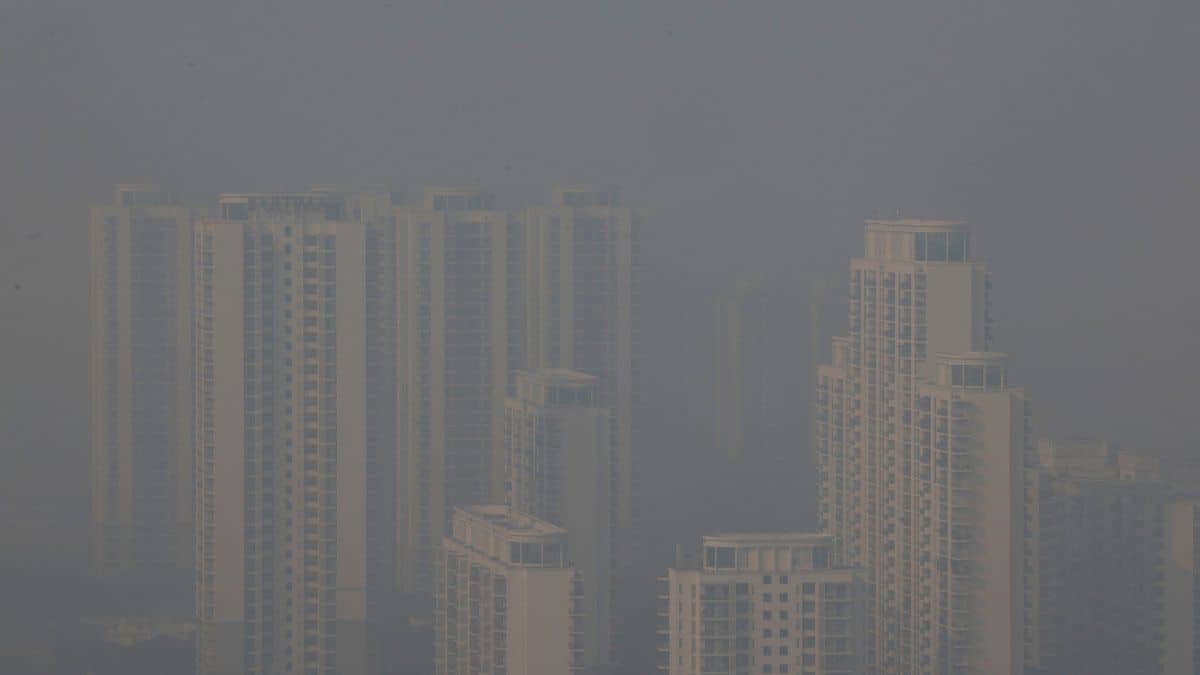
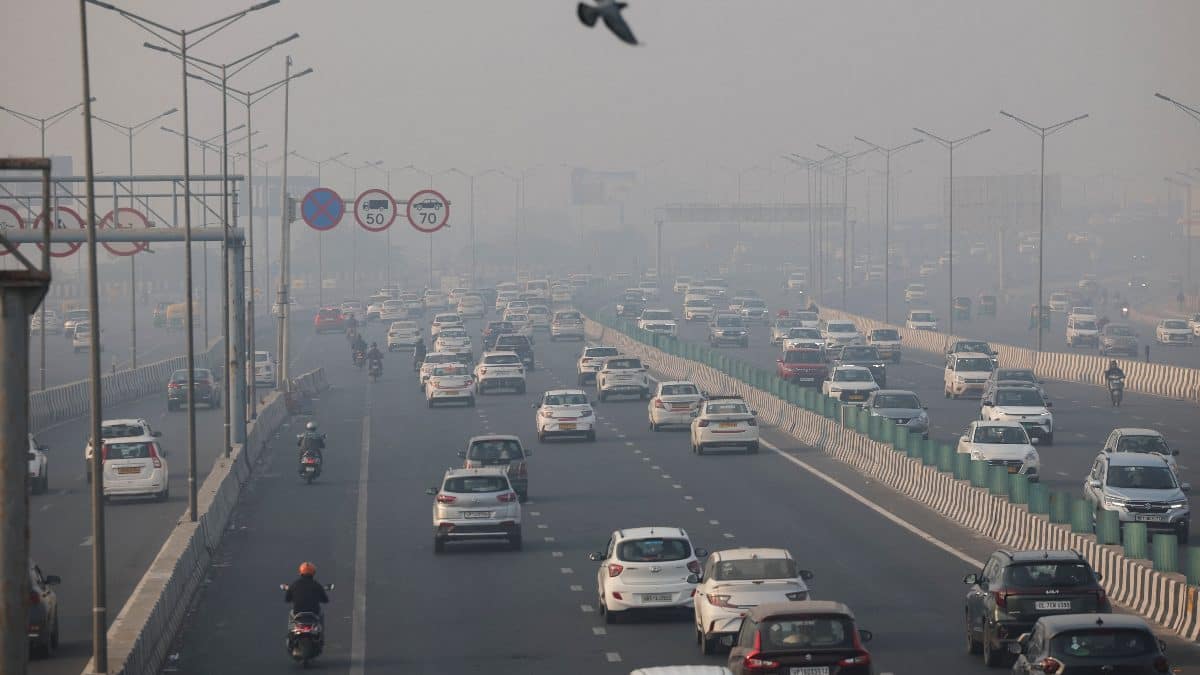
As north India enters peak winter, hospitals across Delhi and neighbouring states are reporting a sharp rise in viral flu and respiratory infections. Experts warned that sustained exposure to high air pollution, especially fine particulate matter (PM2.5) weakens respiratory defences, increases inflammation and raises vulnerability to viral illnesses.
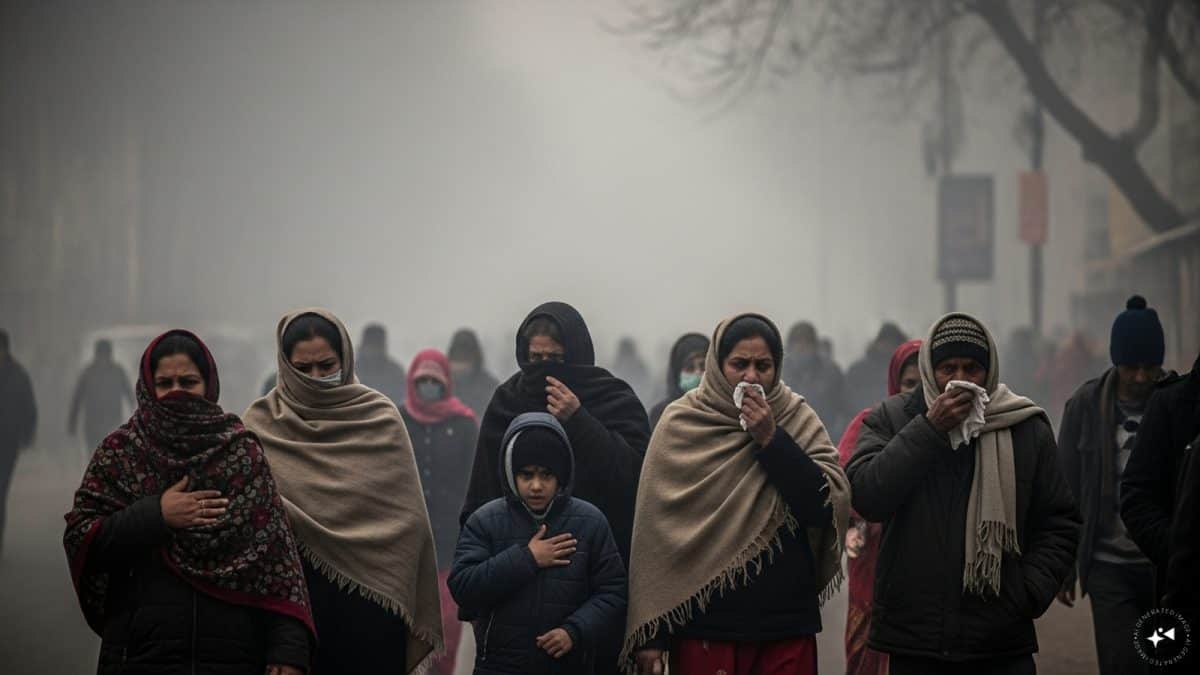
Recent studies published in leading medical journals have also linked poor air quality and cold weather to longer illness duration and more severe outcomes, particularly among children, older adults and people with pre-existing lung or heart disease.
With air quality indices frequently slipping into the “severe” category during winter, concerns are growing over whether pollution is amplifying the seasonal surge in infections and straining healthcare systems.
Firstpost talked to Dr. Sandeep Nayar, Principal Director & HOD – Chest & Respiratory Diseases, BLK Max Super Speciality Hospital (New Delhi) to shed light on how worsening air pollution is influencing viral respiratory infections, who is most at risk and what preventive steps from vaccination to early medical care can help reduce serious illness during high-pollution winters.
Is air quality behind rising viral infections?
Dr Nayar: Air pollution can affect the susceptibility to respiratory viral infections through various mechanisms like endothelial damage and induction of inflammation. Several mechanisms through which air pollution can help in spreading of respiratory infections caused by viruses have been proposed. It has been hypothesized that PM 2.5 may act as a carrier for respiratory viruses as a result of interaction with virus-containing droplets through impaction, interception, or diffusion and further facilitate their spread.
What makes cold and pollution dangerous for lungs?
Dr Nayar: Cold weather and pollution combine to harm lungs by narrowing airways, drying out protective mucus, and trapping irritants like PM2.5. This lead to inflammation of airways, increase in respiratory problems including exacerbation of asthma and COPD, more chances of getting infections like flu, increase in cough, wheezing, and breathlessness.
Is higher viral fever linked to weak immunity?
Dr Nayar: Overall, recurrent or widespread viral fevers highlight the constant circulation and evolution of viruses in that area. It need not indicate a sign of a weakened general population immunity. Though, it is a known fact that pollution does lead to high prevalence of infection and worsening of health by causing inflammation and oxidative stress, leading to respiratory issues, infections), heart problems, strokes, high blood pressure, cancers, diabetes and neurological disorders
Are children and elderly facing harsher viral infections?
Dr Nayar: The severity as well as number of individuals getting viral infections has increased over past few years. . The vulnerable groups like kids, the elderly and those with existing conditions carries maximum risk.
How does prolonged exposure to high AQI levels affect the body’s ability to fight common viral infections like influenza or RSV?
Dr Nayar: Air pollutants, particularly particulate matter (PM2.5), nitrogen dioxide, sulphur dioxide, and ozone, interfere with the respiratory system’s defence mechanisms. Weakened physical barriers in lungs by reducing mucociliary clearance, Macrophage dysfunction by reducing ability of alveolar macrophages to engulf and digest viral particles lead to repeated and prolonged viral infections.
Do flu shots help during high-pollution winters?
Dr Nayar: Getting a flu shot during winter is important as it is a peak flu season, and it is never too late to get vaccinated. The vaccine is the most effective way to protect yourself form getting flu. Even though you may get infected at times but vaccination reduces the risk of severe illness and hospitalization. In the Northern Hemisphere, flu season typically runs from October to May, with activity often peaking between December and February. The ideal time to get a flu shot for most people in the Northern Hemisphere is by August/September, before flu activity increases. Flu shot (latest strain) should be taken every year. It is especially crucial for high-risk groups, including young children and older adults, pregnant women, patients with comorbidities like asthma, heart disease, diabetes and healthcare workers and caregivers who are in contact with vulnerable people.
When do flu symptoms require medical attention?
Dr Nayar: If cough is prolonged with respiratory distress and there is wheezing heard over chest, it is time to consult a physician. High grade fever not responding to paracetamol is always a cause of concern. Any associated symptoms involving other systems of body are also warning signs. Diarrheoa, confusion, persistent tachycardia, vomiting are symptoms which we must look for specially in the extremes of ages.
Does India need a broader winter health strategy?
Dr Nayar: It is a long way to go as far as pollution-control measures are concerned. Yes, the government is trying its best but we need more stricter laws and surveillance. Even the existing laws need to be implemented with stricter punishments and warnings. It needs a combined approach from us citizens as well as government to tackle present crisis. We all have to play our part to live a healthy life.
End of Article