Rising temperatures, extreme cold, worsening air pollution and climate-related stress are increasing heart attack risk, especially for the elderly and people with heart conditions, say cardiology experts. Read here
Climate change is rapidly moving beyond environmental debates to emerge as a pressing public health emergency, particularly for the heart. According to World Health Organisation reports, older adults are experiencing an uptick in heart attacks and other cardiovascular stress during extreme heat events, underscoring growing health vulnerabilities in a warming world.
WHO Research published in European Heart Journal and by global health bodies highlights that rising temperatures and intensified air pollution worsen cardiovascular disease outcomes, with each degree above optimal seasonal temperatures linked to measurable increases in heart‑related mortality and morbidity.
Experts point out that climate‑driven heatwaves are increasingly frequent, longer in duration and paired with poor air quality, which together pose compounded risks for acute cardiac events. Studies show that the combination of extreme heat and elevated particulate pollution can even double fatal heart attack risk on the worst days.
Heat, cold, pollution and stress: multiple pathways to cardiac risk
“Climate change is no longer only an environmental concern. It is becoming a serious public health threat,” says Dr Rohit Goel, Principal Consultant, Cardiology at Max Hospital (Gurugram), emphasising how fluctuating and extreme temperatures are taxing cardiovascular systems.
“Rising heat forces the heart to pump harder as blood flow increases to the skin to dissipate heat, raising heart rate and blood pressure. This heat stress, coupled with dehydration that thickens blood and promotes clot formation, can trigger heart attacks, especially in elderly people and those with pre‑existing heart disease, hypertension or diabetes.”
Dr Goel said that heatwaves are “consistently linked to spikes in cardiac emergencies worldwide. “Climate change is also contributing to unpredictably harsh cold spells. Exposure to low temperatures constricts blood vessels, increases blood pressure and elevates the heart’s workload. Cold weather thickens the blood and enhances clotting tendencies, heightening the risk of myocardial infarction and stroke, particularly among vulnerable groups,” Dr Goel added.
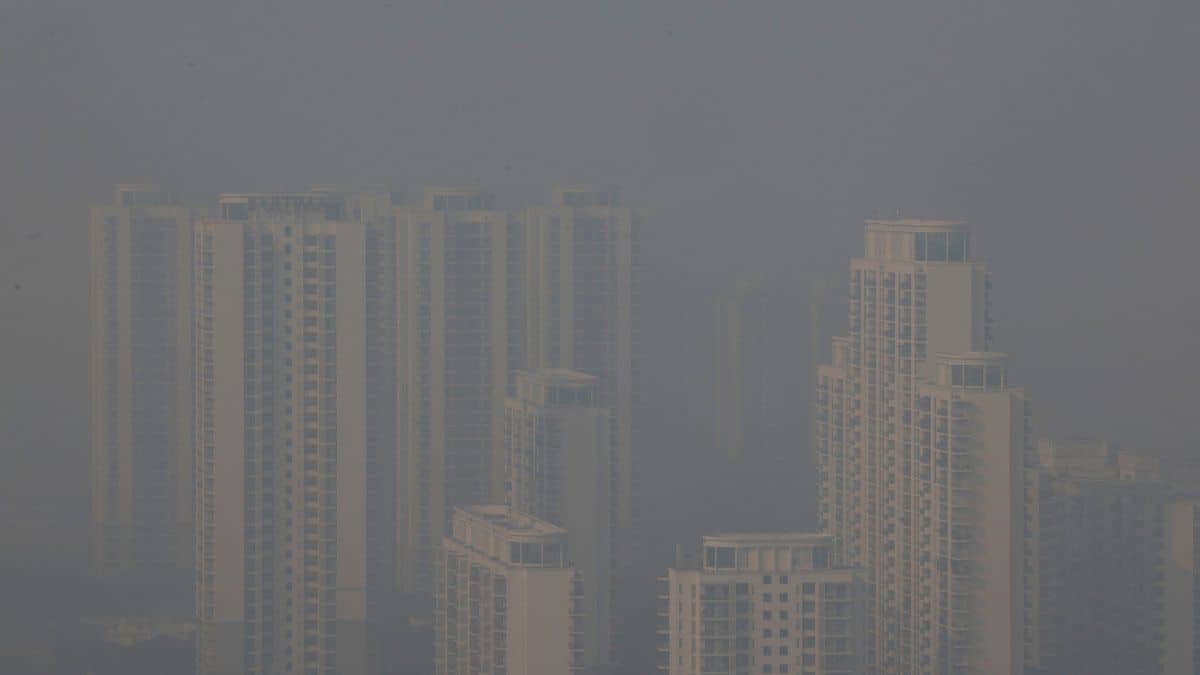
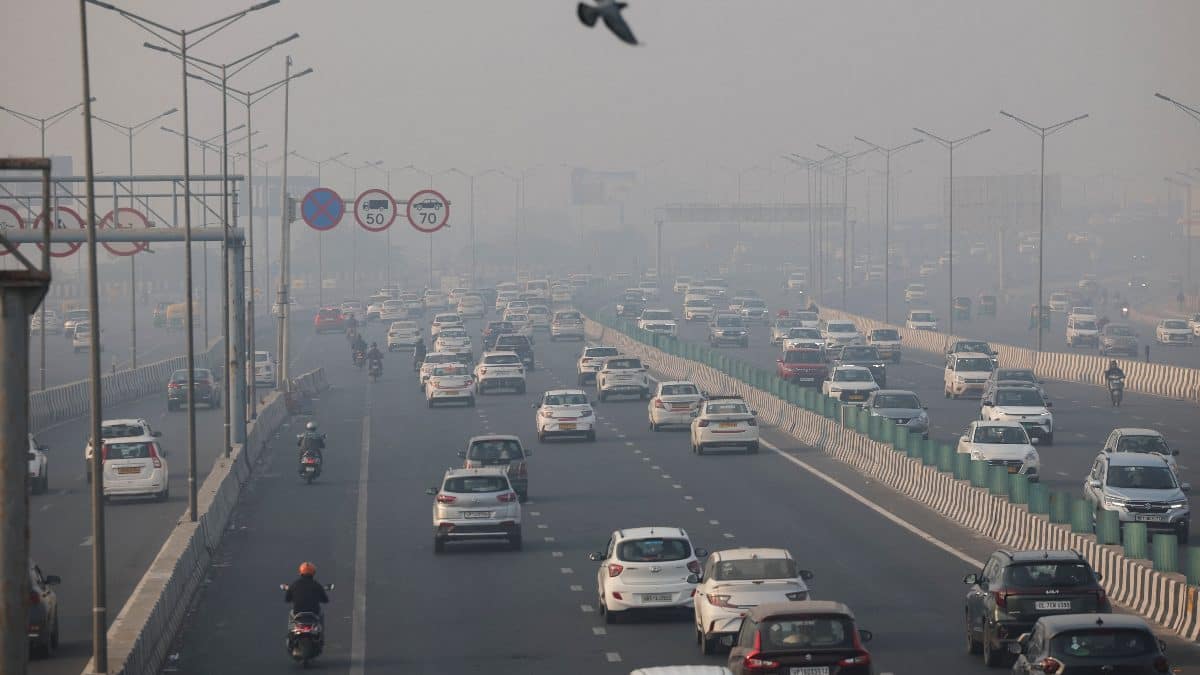
Another important factor is deteriorating air quality. Climate change can elevate ground‑level ozone and fine particulate matter (PM2.5), which enter the bloodstream and cause inflammation, blood vessel damage and plaque instability, all of which can precipitate heart attacks. Even short‑term exposure to polluted air has been shown to significantly increase the risk of acute cardiac events, Dr Goel added.
Beyond temperature and pollution, climate‑related extreme weather events such as floods and cyclones create additional stress. “These not only disrupt access to healthcare and medications but also trigger acute stress responses,” Dr Goel pointed out. Stress hormones like cortisol and adrenaline can spike blood pressure and cause irregular heart rhythms, further increasing heart attack risk.
Who’s most at risk and how to protect heart health
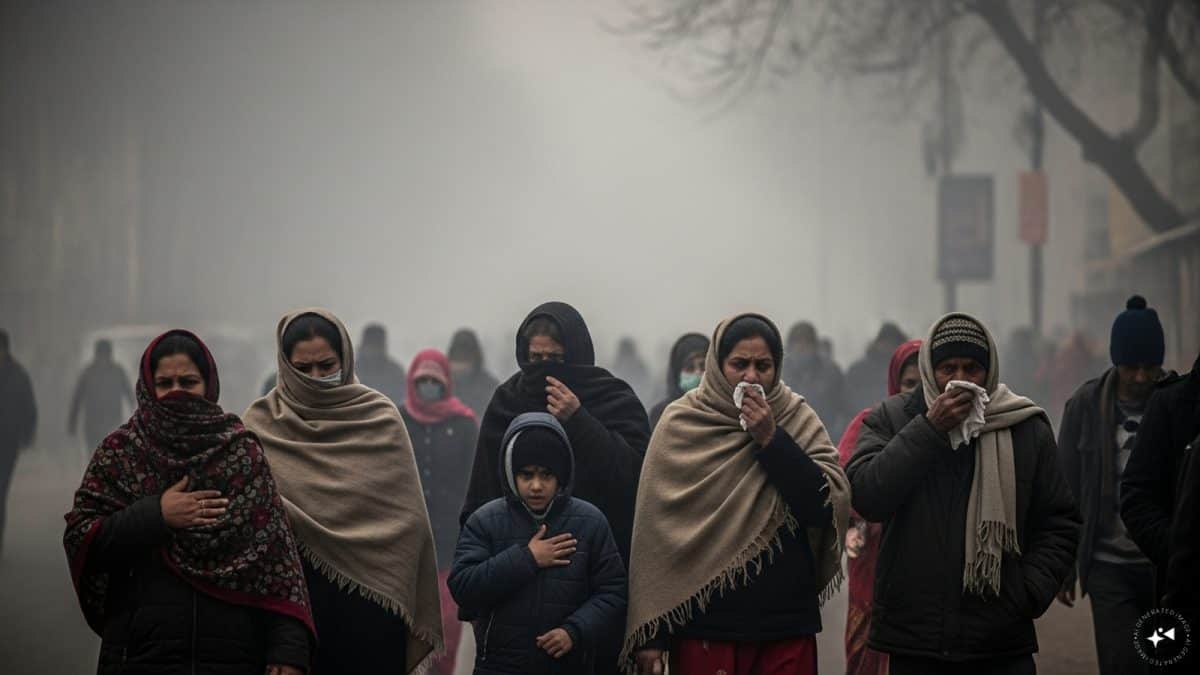
According to Dr Goel, certain populations bear a disproportionate burden: the elderly, people with existing cardiovascular conditions or diabetes, outdoor workers routinely exposed to temperature extremes and pollution, and urban residents in heavily polluted areas. This mirrors global evidence that vulnerable groups are most affected by climate‑related cardiovascular risks.
While long‑term climate mitigation requires global efforts, individuals can take steps to safeguard heart health now. Dr Goel recommends staying well‑hydrated, dressing appropriately for extreme heat and cold, limiting outdoor activity during temperature extremes, monitoring air quality alerts, and keeping up with regular cardiac check‑ups.
Healthcare systems also need to be prepared with robust emergency response mechanisms and public awareness programmes to manage climate‑related cardiac risks.
“Recognising the impact of both rising heat and colder extremes on cardiovascular disease is crucial to preventing avoidable heart attacks and protecting public health,” Dr Goel said, highlighting that climate change is reshaping the future of heart health.
End of Article